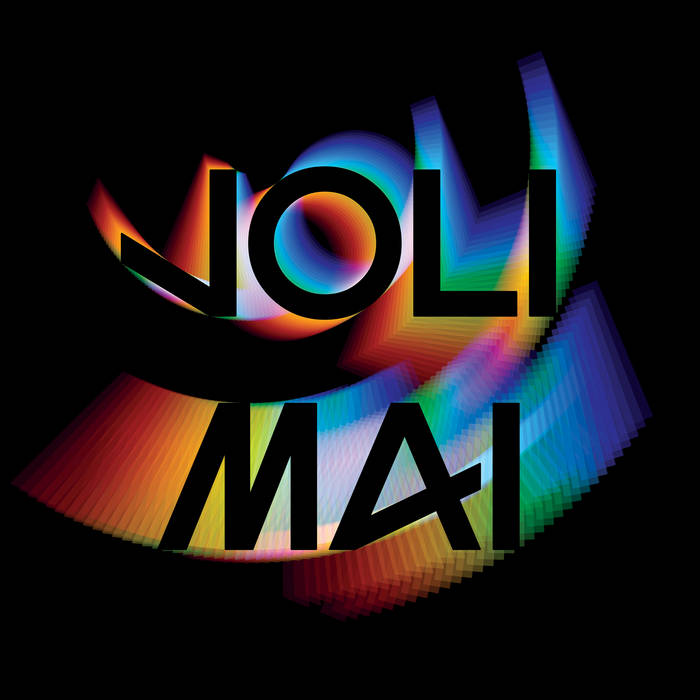
Song Count: 12
Duration: 59 minutes, 50 seconds
Rating: 6.3/10
Description:
One of many Bandcamp discoveries that have unfortunately been neglected by me up until I remembered to actually revisit and listen to them, Joli Mai is the eighth album from Ontario-born electronic music producer Daniel Snaith, and the third one under his specific alias of Daphni, a presentation he has had since 2012, but not release anything under since 2022. A man of many stage names and many projects, Snaith has been making and releasing music since the turn of the millennium, also under the titles Manitoba (until 2003) and Caribou (since 2005, still active), and he has a total of 12 studio albums to his name with every project of his combined. Joli Mai is primarily a techno and progressive house record, containing simple yet danceable beats in a package that neatly amounts to just seconds under a full hour in duration.
Many EDM productions in modern times primarily have a very modern, polished and sanded down sound to them, and while Joli Mai doesn't necessarily shy away from using new-age sounds and dabbling in that style at times, it is primarily focused on a far more timeless formula: a standard electronic 4/4 beat, pretty much one consistent speed to run through all of the tracks, and the use of few but impactful samples at a time to bring in the action. This musical construction then loops for the durations of the songs, which at times can be surprisingly long, with several of them dabbling above the 6-minute mark - and though interruptions and shake-ups can occur in these kinds of songs, the tracks' sounds are nevertheless defined by their primary beat and composition, with corresponding effects and levels of success.
There are many sorts of ideas and melodies swimming around in this colourful soup of electronic music, and while a lot of them are enticing and catchy enough to keep one listening at first, a lot of them don't end up being followed up on, instead being let go in favour of seemingly endless repetition that feels more numbing and irritating by the end of a track. The fact that the tempo also mostly stays the exact same across songs only ends up amplifying this further, leading to significant fatigue during the experience. While there are most definitely songs that avoid contributing to this factor - the very unique and ear-pleasing introduction "Poly" and the breakout track "Carry On" come to mind" - this slump becomes especially noticeable by the latter half of the album.
Perhaps this is just a feature of the genres that I simply have a hard time accepting, but the length of these tracks feeling artificially increased by mass-looping certain beats and combinations of sounds without introducing much else to the mixture is the main Achilles' heel of Joli Mai. This is not to say anything against how danceable and well-crafted the actual sounds themselves are, however, and there is still plenty to enjoy here if one puts the focus less on consciously trying to listen and more on treating it as a backing track meant more to set a mood and keep it than to express anything outright. Then again, as far as I have found, no statements have been expressly made about what the album wishes to convey, so one may never know. As it stands, Joli Mai is a respectable album made by someone with a clear passion for the art, that may still have a long way to go from being an all-time record, but is pointing at a direction that indicates there's more quality ahead in the future.